

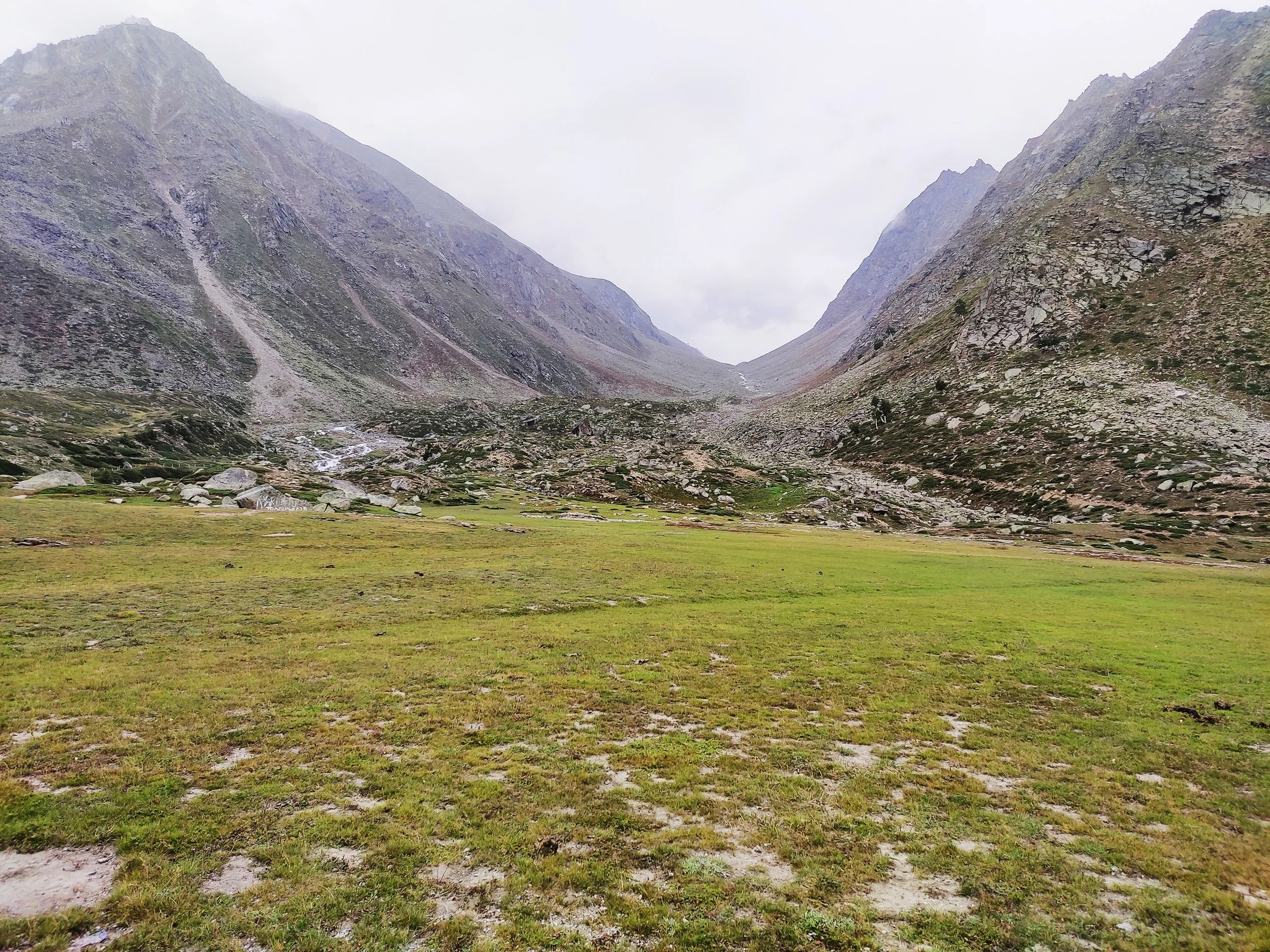
Pin Valley & Lippa-Asrang Landscape
Spiti and Kinnaur, Himachal Pradesh, India

The Lippa–Asrang region of the proposed Pin–Lippa Conservation Landscape in district Kinnaur, Himachal Pradesh. Photograph by Timothy A. Gonsalves.
Type of Proposed Protection:
Conservation Reserve & Ecosensitive zone
Conservation Partners:
Himachal Pradesh Forest Department, International Big Cat Alliance, Wildlife Institute of India, Snow Leopard Conservation Society
Ecoregion:
Northwestern Himalayan Alpine Shrub and Meadows
Scale of the Proposed Protected Area:
39,600 Hectares - 97,853 Acres
Total Declaration Cost, including protected area management and trail support:
$388,300

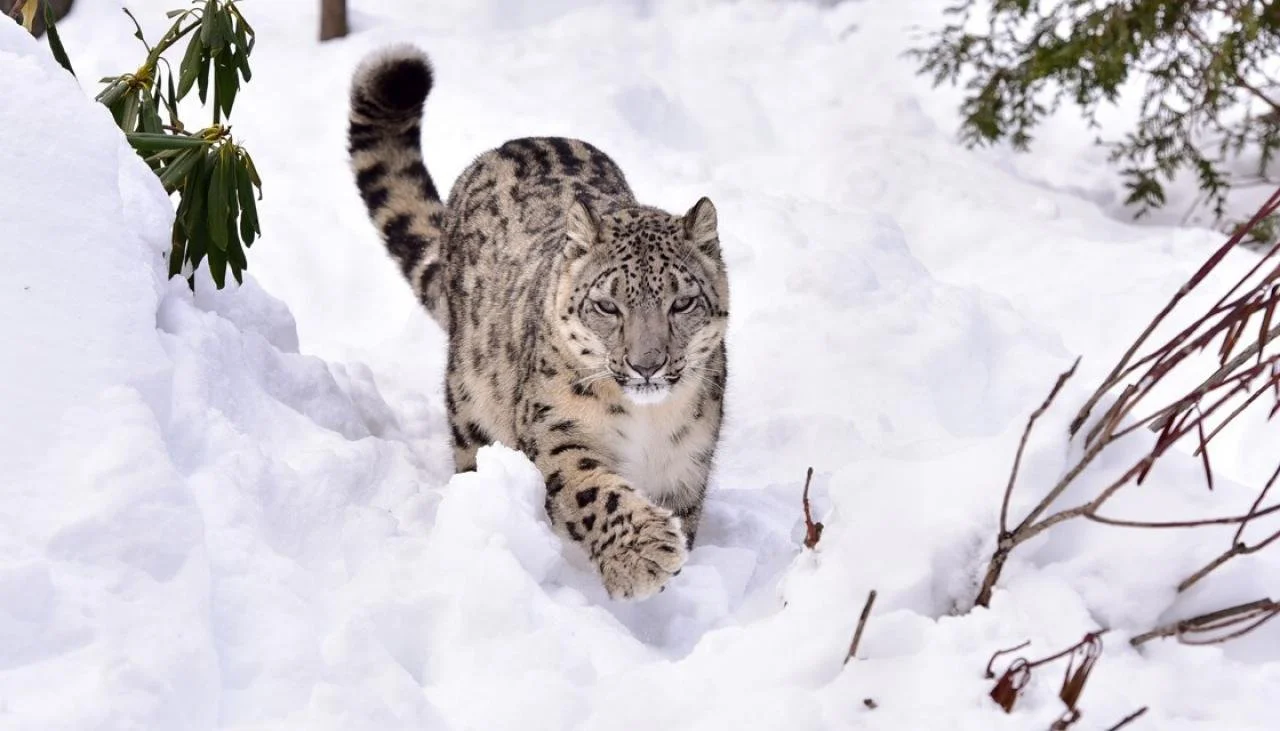
A rare snow leopard (Panthera uncia) in the Spiti, the state animal. Photograph by Daniel Muenger.
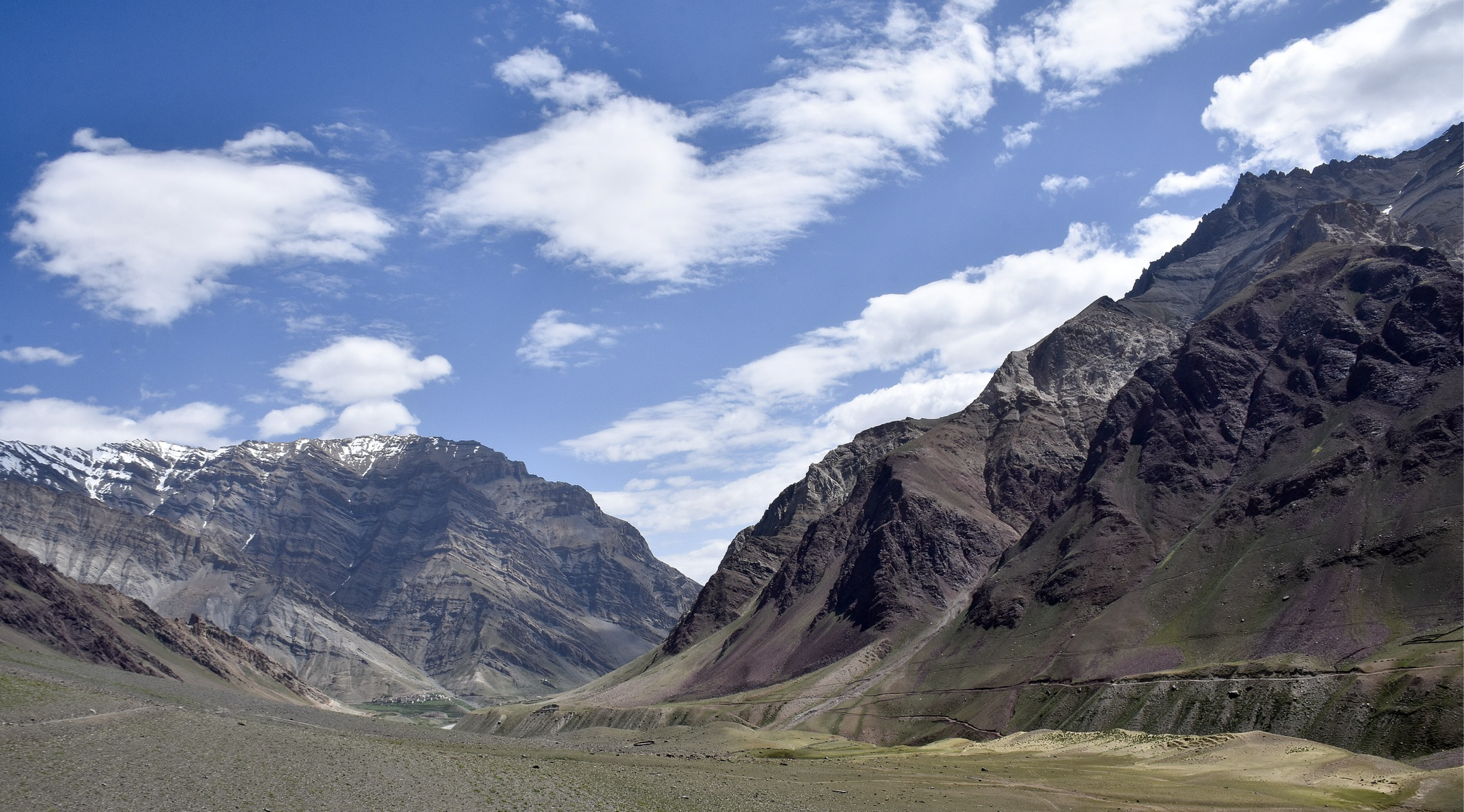
Pin Valley, Lahaul and Spiti District, Himachal, India. Photograph by Timothy Gonsalves.
Himachal Pradesh, in the Indian Himalayan Region, is one of the richest reservoirs of biological diversity in the world: around 463 bird species, 77 mammalian, 44 reptile and 80 fish species. It also has a high diversity of medicinal and aromatic plants.
The state bird of Himachal Pradesh is the Western tragopan, locally known as the jujurana. It is one of the rarest living pheasants in the world. Himachal Pradesh has currently five National Parks, 30 wildlife sanctuaries and 3 conservation reserves.

Pin Valley, Lahaul and Spiti District, Himachal, India. Photograph by Timothy Gonsalves.
Historic Communites:
Scheduled Tribe community lands, around 1,938 people call this proposed protected area home
Conservation Partners:
Himachal Pradesh Forest Department, International Big Cat Alliance, Wildlife Institute of India, Snow Leopard Conservation Society
Home to Rare Species:
Snow leopard (Panthera uncia), Himalayan Brown Bear (Ursus arctos), Himalayan Musk Deer (Moschus leucogaster), Himalayan Tahr (Hemitragus jemlahicus), Himalayan ibex (Capra siberica), Himalayan Monal (Lophophorus impejanus), Western Tragopan (Tragopan melanocephalus), Bitter-Root (Aconitum violaceum), Himalayan Marsh Orchid (Dactylorhiza hatagirea).
Grant Research, Care and Diligence Team:
Priyanka Justa, Wildlife Institute of India, Dr. Salvador Lyngdoh, Wildlife Institute of India, Dr. Andy Lee, Resolve, Dr. Eric Dinerstein, Conservation X Labs, Dr. Haley Mellin, Conserve
Conservation Imperatives Rarity?
Partially
Pin Valley, Lahaul and Spiti District, Himachal, India. Photograph by Timothy Gonsalves.


A young Ibex and mother, Pin, India.

The Himalayan ibex’s most striking feature is its huge, curved horns, characterised by notches in the front. Its fur ranges from pale to dark brown, and varies in thickness according to the season. Photo by Dhritiman Mukherjee.

Cultural and Ecological History
The name of the state of Himachal Pradesh is a reference to its setting. Himachal means "snowy slopes" in Sanskrit: hima, means "snow" and acala/achala meaning "slopes" or "land" or "abode." Pradesh means "state." Himachal Pradesh literally means "snow-laden province." Himachal refers to being in the "aanchal" of the Himalayas and sheltered by the Himalayas or by the snow. Overall, it means "the land in the lap of snowy Himalayas."
The word Himachal was added in the national anthem of India "Jan Gan Man" by Gurudev Rabindranath Tagore when he was writing and composing it. After the independence of India, Punjab province was divided and the name was given officially to the mountain state as Himachal Pradesh. Himachal is in the western Himalayas situated between 30°22′N and 33°12′N latitude and 75°47′E and 79°04′E longitude. Covering an area of 55,673 square kilometres (21,495 square miles), it is a mountainous state. The Zanskar range runs in the northeastern part of the state and the great Himalayan range run through the eastern and northern parts, while the Dhauladhar and the Pir Panjal ranges of the lesser Himalayas, and their valleys, form much of the core regions. The outer Himalayas, or the Shiwalik range, form southern and western Himachal Pradesh. At 6,816 meters, Reo Purgyil is the highest mountain peak in the state of Himachal Pradesh.
The Lahaul-Spiti region of the state, being a cold desert, supports unique plants of medicinal value including Ferula jaeschkeana, Hyoscyamus niger, Lancea tibetica, and Saussurea bracteata. Himachal is also said to be the fruit bowl of the country, with widespread orchards. Meadows and pastures are also seen clinging to steep slopes. After the winter season, the hillsides and orchards bloom with wild flowers, white gladiolas, carnations, marigolds, roses, chrysanthemums, tulips and lilies are carefully cultivated.
Miyar Valley, located in the Lahaul district of Himachal Pradesh, is a scenic, remote valley known for its stunning landscapes and trekking opportunities. It's a hidden gem, attracting adventure enthusiasts and nature lovers, and is also considered a "Valley of Flowers" due to its abundant Himalayan orchids. The valley is connected to Zanskar by an ancient trekking route over Kang La, offering a unique experience. The total area of the Spiti valley is 7,828.9 km2 (3,022.8 sq mi) and the total population in 2011 was 17,104 persons. Administratively, most of Spiti valley falls under Lahaul and Spiti district with a small part coming under Kinnaur district.

Yellow-billed chough in flight coming down to land, Pin Valley, Spiti, Himachal Pradesh. Photo by Timothy A. Gonsalves.

Wildlife in Himachal Pradesh. Photograph by Sanjay Sharma.